Director
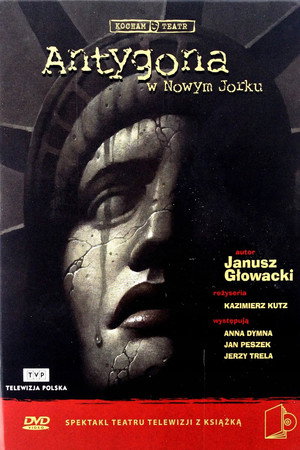
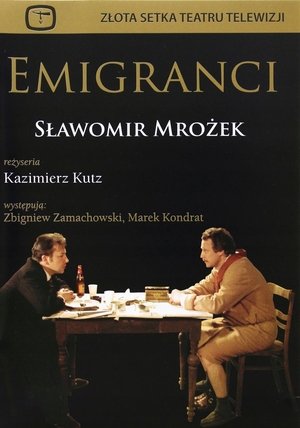
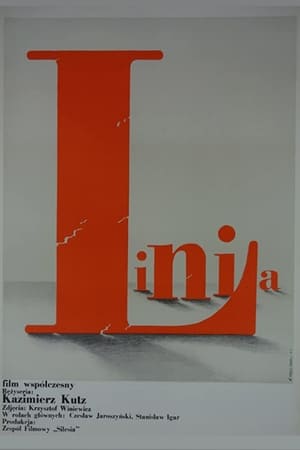
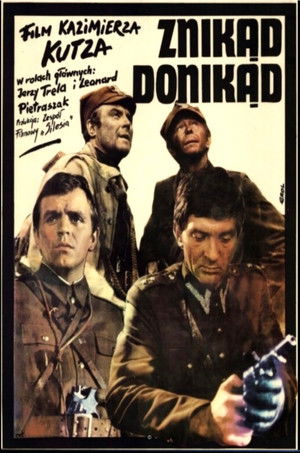
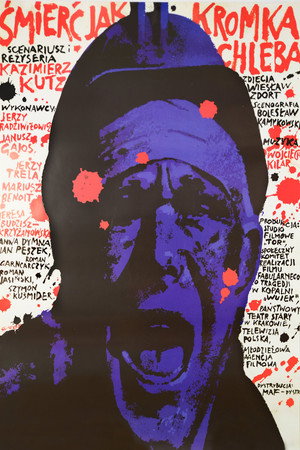
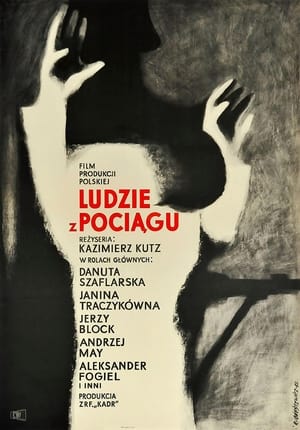
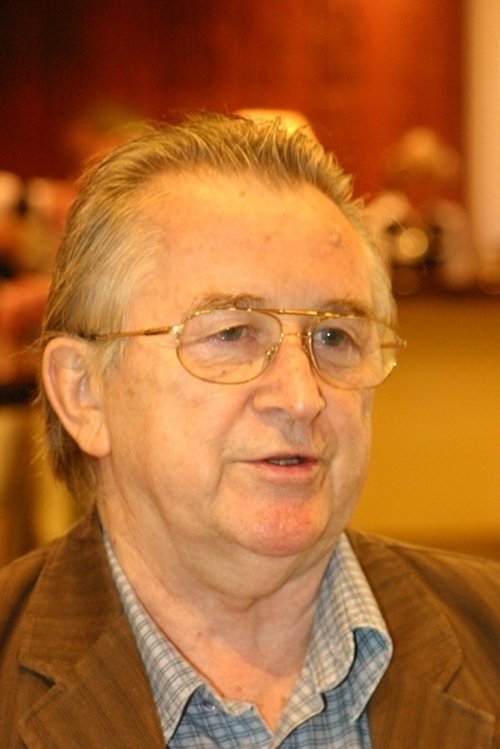
Kazimierz Kutz was born February 16, 1929, in Szopienice, since 1960 district of Katowice, to a railway worker and a former partisan of the Silesian Uprisings. After the World War II Kutz graduated from gymnasium in Mysłowice and in 1949 was admitted to the Łódź Film School. After finishing his studies in 1954 he started working as an assistant to Andrzej Wajda. His film debut was Cross of Valor (1959). Since then he finished more than 20 pictures, including six about his home region - Silesia. He is also famous for directing theatre plays on some of the most prominent scenes of Poland, including the Teatr Stary in Kraków and National Theatre in Warsaw, as well as several plays for the Polish television. In 1972, he founded the Silesia Film Company in Katowice and, until 1978, was its Artistic Director. In the 1970s he became the main director of the Polish Television branch in Katowice. He was also working for several branch and cultural organisations. After the Martial Law had been imposed in Poland in 1981 Kutz was interned by the communist authorities, but was released soon afterwards. Between 1981 and 1983, lectured in the Radio and Television Faculty at Silesian University in Katowice, and, between 1985 and 1991, taught directing at the Higher Theatre School in Kraków. Since 1987, was Principal Director in the Polish Television Centre in Katowice and, between 1990 and 1991, headed the Centre. After the peaceful transition to democracy in 1989 Kutz became the head of the Polish TV branch in Kraków (until 1991). For his involvement in the matters of Silesia, and for his films depicting the traditions and problems of that part of Poland, he is considered by some the spokesman of all Silesians. In a plebiscite organised by Gazeta Wyborcza newspaper he was chosen the third most famous Silesian ever and the first among the living people. In 1997 he was awarded with the title of doctor honoris causa by the University of Opole. He is currently a promotor and patron of several Silesia-based cultural feasts and societies, including the Festiwal Filmów Kultowych, Festiwal Sztuki Reżyserskiej, Cultural Congress of the Upper Silesia, Council of Culture of the Silesian Voivodship, Academy of Fine Arts in Katowice and Committee for the Construction of Silesian Museum. He is also one of the supporters of development of the Silesian language. His 1995 film Reverted was entered into the 19th Moscow International Film Festival. In 1997 Kutz took part in the elections to the Senate of Poland (from the list of Freedom Union party, Katowice constituency) and was supported by approximately 500,000 Silesians. In 2001 he was elected for his second term as a non-partisan candidate, and in 2005 re-elected for the third term. Currently he is the deputy speaker of the Senate of Poland. For his social involvements, he was awarded with many of the highest Polish awards. Kazimierz Kutz is married to Iwona and has two sons (Gabriel and Tymek) and two daughters (Wiktoria and Kamila). From Wikipedia, the free encyclopedia